

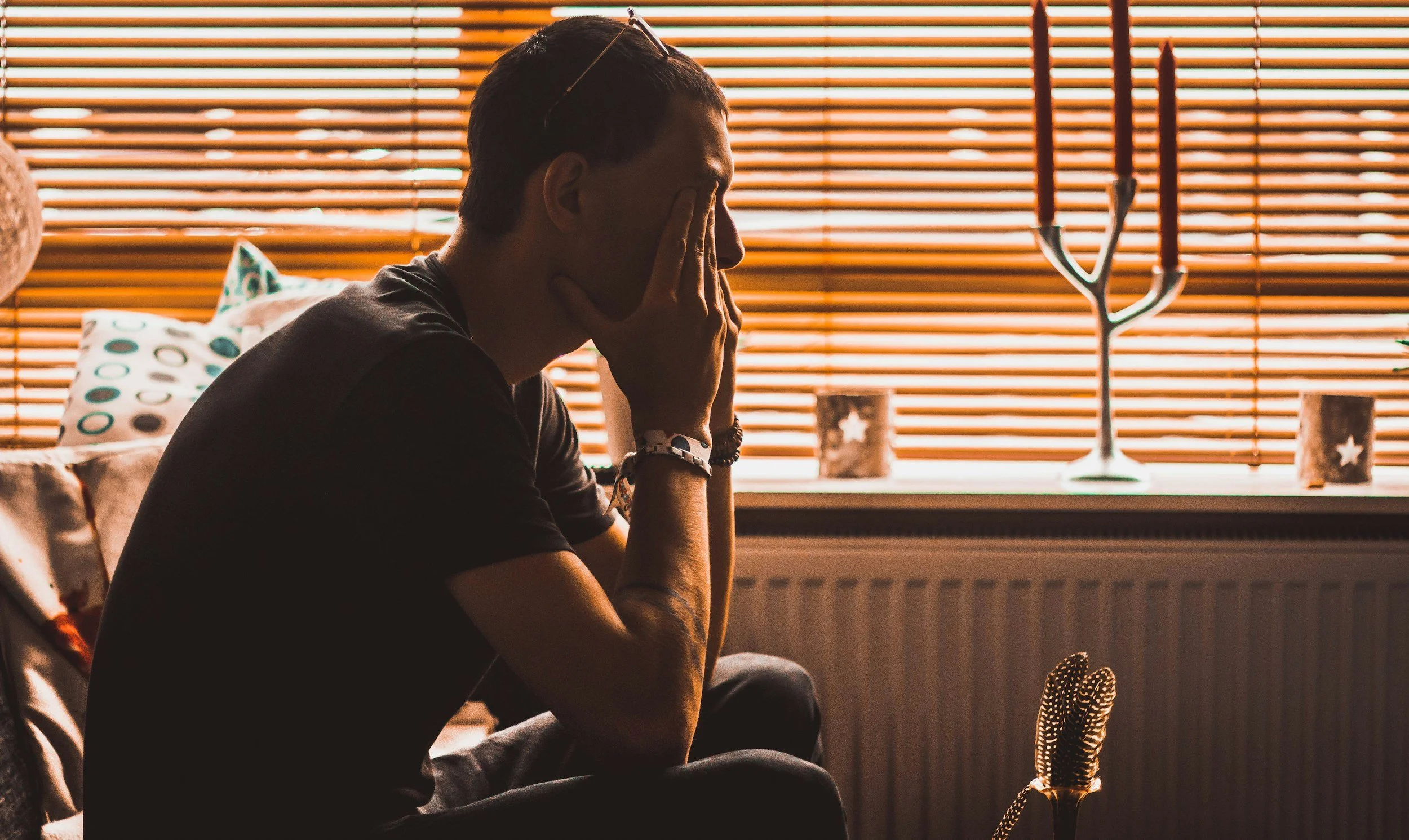
Addiction Counseling in Friendswood & Houston, TX
If you’re struggling with alcohol, drugs, or other compulsive behaviors, you do not have to fight this battle alone. Addiction counseling at Designed to Overcome, LLC provides confidential, evidence‑based support for adults in Friendswood and greater Houston, TX. Sessions are tailored to your history, culture, and goals so you can move toward lasting change.
Individual Addiction Counseling
Individual addiction counseling gives you a private, judgment‑free space to talk honestly about your substance use and everything that comes with it. You set the pace, and sessions focus on what is most important to you right now.
Instead of just telling you to “stop,” counseling helps you understand why you use, what keeps the cycle going, and what needs to change so recovery is realistic for your life.
Look at how alcohol, drugs, or other behaviors are affecting your mood, relationships, health, work, and finances.
Learn new ways to manage stress, anger, and painful emotions without turning to substances.
Practice communication skills to repair or protect important relationships.
Build safer routines and habits that support your recovery.
Create a plan for when cravings or high‑risk situations show up so you are not caught off guard.
Group Addiction Counseling
Group addiction counseling brings together several people who are working on similar issues in a safe, guided setting. Instead of doing recovery alone, you meet with others who understand what it is like to struggle with alcohol, drugs, or other addictive behaviors. A trained counselor leads the group, keeps the space respectful, and helps everyone stay focused on growth and recovery.
Many people are surprised by how powerful group sessions can be. Hearing other people’s stories, challenges, and successes can reduce shame, build hope, and remind you that you are not the only one going through this.
Benefits of Group Counseling
Feel less alone by connecting with others who truly understand addiction and recovery.
Give and receive encouragement, feedback, and practical ideas for handling cravings, triggers, and everyday stress.
Build accountability as you check in with the group about your goals, progress, and setbacks.
Practice communication and relationship skills in a supportive environment you can then use at home, work, and in the community.
Learn coping tools, relapse‑prevention strategies, and education about addiction that support long‑term change.
Evidence-Based Treatment
Addiction is a health condition, not a personal failure. Treatment is most effective when it uses methods that have been tested and shown to help people reduce or stop substance use.
Your counseling plan is built from evidence‑based approaches and adapted to your culture, values, and life responsibilities.
Cognitive behavioral therapy (CBT) – helps you notice and change thoughts and behaviors that keep the addiction going and replace them with healthier patterns.
Dialectical behavior therapy (DBT) skills – teaches tools for managing intense emotions, staying present, and handling conflict without making things worse.
Motivational interviewing – respects your ambivalence about change and helps you find your own reasons and motivation to move forward.
Relapse‑prevention planning – prepares you for triggers, cravings, slips, and high‑risk situations so you have a clear plan instead of reacting on impulse.
What to Expect
Starting counseling can feel uncomfortable, especially if you have kept your use private for a long time. The process is structured, respectful, and focused on safety so you know what will happen next.
First session:
In the first session, we talk about your history with substances, your mental and physical health, and what is happening in your life right now. You can share at your own pace, and there is no pressure to have the “perfect” story. We also discuss risks, immediate safety, and any urgent needs that must be addressed quickly.
Setting goals:
Together, we set clear, realistic goals. For some people this means cutting back; for others it means working toward sobriety or staying sober after rehab or detox. We talk about what success would look like for you and how to move in that direction step by step.
Ongoing sessions:
In ongoing sessions, we practice new coping skills, process difficult experiences, and update your plan as things change. You will often leave with specific ideas or exercises to try between sessions so progress does not only happen in the therapy room. Throughout the process, you are treated with honesty, compassion, and respect—not shame or lectures.
Who It’s For
Addiction counseling at Designed to Overcome, LLC may be a good fit if you see yourself in any of the situations below.
You use alcohol, prescription medications, or other substances to cope with stress, anxiety, anger, or sleep problems.
You have tried to cut back or quit on your own, but you keep drifting back to the same patterns.
Outwardly you are “holding it together” at work, school, or home, but privately you feel out of control.
You are dealing with depression, anxiety, trauma, or anger problems at the same time as substance use.
You need counseling related to legal, work, or professional requirements connected to substance use.
You recently completed detox, rehab, or intensive treatment and want continued outpatient support to stay on track.
People from many cultural, spiritual, and professional backgrounds are welcome; your treatment plan is tailored to your story, not a one‑size‑fits‑all model.
Next Steps
You do not have to wait for things to get worse before asking for help. Reaching out now is a strong, practical step toward feeling more in control.
To get started, you can:
Call (281) 317‑0331 to ask questions or schedule an initial appointment.
Email designedtoovercomellc@gmail.com with a brief note about what you are looking for and your availability.
If you are unsure whether addiction counseling is right for you, you can request a brief consultation to talk through your options and decide on the next best step for your situation.
Frequently Asked Questions
How can I find a licensed clinical dependency counselor in Friendswood, TX and Houston area?
To find a licensed chemical dependency counselor (LCDC) in Friendswood, TX, you can:
– Search state licensing or verification websites to confirm that a counselor holds a current LCDC or related license.
– Use online directories and filters for “substance use” or “addiction” in Friendswood and nearby areas.
– Ask your primary care provider, psychiatrist, attorney, or trusted community leaders for referrals to addiction specialists.
Designed to Overcome, LLC provides addiction counseling in Friendswood, TX 77546 and the greater Houston area and can be one option to consider when you are comparing providers.
How do I know if a mental health professional is qualified to treat addiction?
A mental health professional is usually qualified to treat addiction if they:
– Hold a current license in your state (for example, LCDC, LPC, psychologist, psychiatrist, or other recognized license).
– Have specific training, certification, or documented experience in treating substance use disorders, not just general counseling.
– Use evidence‑based approaches such as cognitive behavioral therapy (CBT), motivational interviewing (MI), relapse‑prevention planning, and other methods shown to help with addiction.
– Can clearly explain how they would structure treatment for your situation and how they coordinate care when medical or psychiatric support is needed.
When you ask about a counselor’s background, you should feel they answer your questions openly and respectfully; feeling heard and safe is just as important as their credentials.
What are the signs that I might need professional help for substance dependency?
It may be time to seek professional help for substance use if you notice several of the following signs:
– You often use more than you planned, or need more of the substance to feel the same effect.
– You have tried to cut back or stop but find it very hard to do so.
– Substance use is starting to affect your work, school, parenting, or other responsibilities.
– Important relationships are being damaged because of your use, arguments about use, or related behavior.
– You spend a lot of time getting, using, or recovering from substances and lose interest in activities you used to enjoy.
– You continue to use even though it is causing health problems, mood changes, legal issues, or money problems.
Not everyone has the same signs, but if several of these feel familiar, talking with a licensed addiction professional can help you understand what is going on and explore your options for support.
What should I look for when choosing an addiction counselor?
When choosing an addiction counselor, helpful things to look for include:
– Licensing and training: A current license in your state and specific training or certification in addiction or substance use disorders.
– Experience: Regular experience treating the kinds of issues you are facing (such as alcohol, opioids, stimulants, co‑occurring depression, anxiety, or trauma).
– Approach: Use of evidence‑based methods like CBT, motivational interviewing, relapse‑prevention work, and coordinated care when medication is involved.
– Fit and communication style: You feel heard, respected, and safe asking questions; you do not feel judged or shamed.
– Practical details: Location, telehealth options, availability, fees, and whether they accept your insurance or offer private‑pay options that fit your budget.
A brief consultation call can help you get a sense of whether the counselor’s style and expertise are a good match for your needs.
Are there mental health counseling services available in Friendswood, TX?
Yes. Friendswood and the surrounding areas offer a range of mental health services, including private practices, group practices, and telehealth options.
Designed to Overcome, LLC provides mental health and addiction counseling for adults in Friendswood, TX 77546 and greater Houston, with secure online sessions available across Texas.